3d printed pla polymer materials analysis
The Problem: Bridging the Gap Between Prototyping and Practical Application Polylactic Acid (PLA) is the industry standard thermoplastic for fused deposition modeling (FDM) due to its affordability and ease of extrusion. However, its poor tensile and impact strength at room temperature severely limits its utility in functional, load-bearing engineering applications. This research project aimed to overcome these limitations by investigating how manipulated infill densities, environmental temperatures, and post-print annealing treatments influence the impact strength and microstructural fracture mechanics of PLA.
The Approach: Rigorous Stress Testing & Microscopic Analysis
To isolate the variables affecting polymer strength, the testing framework combined standardized mechanical stress tests with advanced microscopic imaging.
Standardized Production: Designed and manufactured test specimens using a Prusa MK3S+ 3D printer across varying infill densities (25%, 50%, 75%, and 100%).
Charpy Impact Testing: Prepared specimens with standardized notches per ASTM D6110 guidelines to ensure consistent fracture points.
Thermodynamic Manipulation: Subjected samples to extreme temperature environments prior to testing, ranging from -196°C using a liquid nitrogen bath to 100°C.
Annealing Treatments: Executed structured heat treatments, including baking samples in a 100°C furnace for four hours and boiling samples in 100°C water for ten minutes.
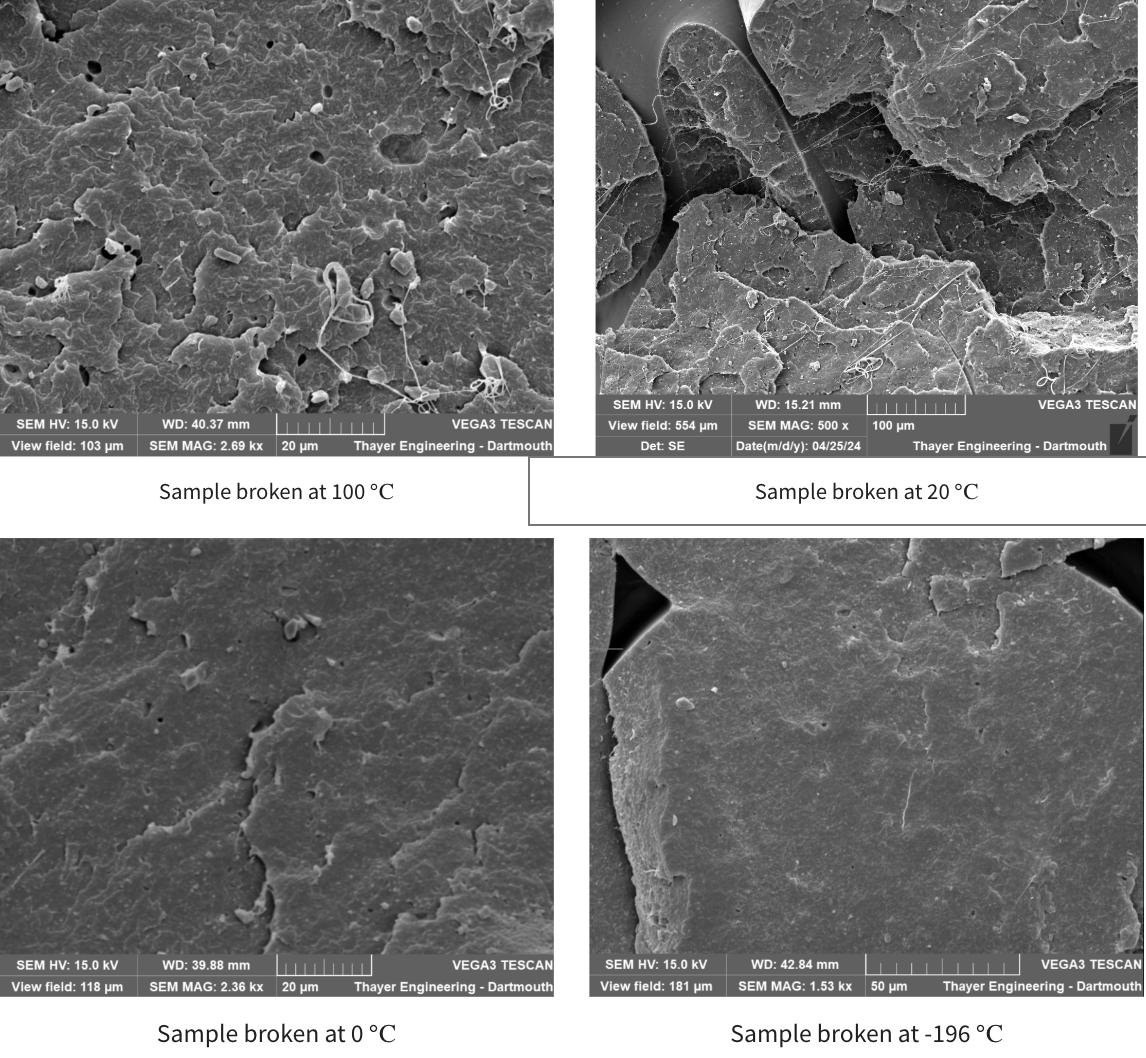
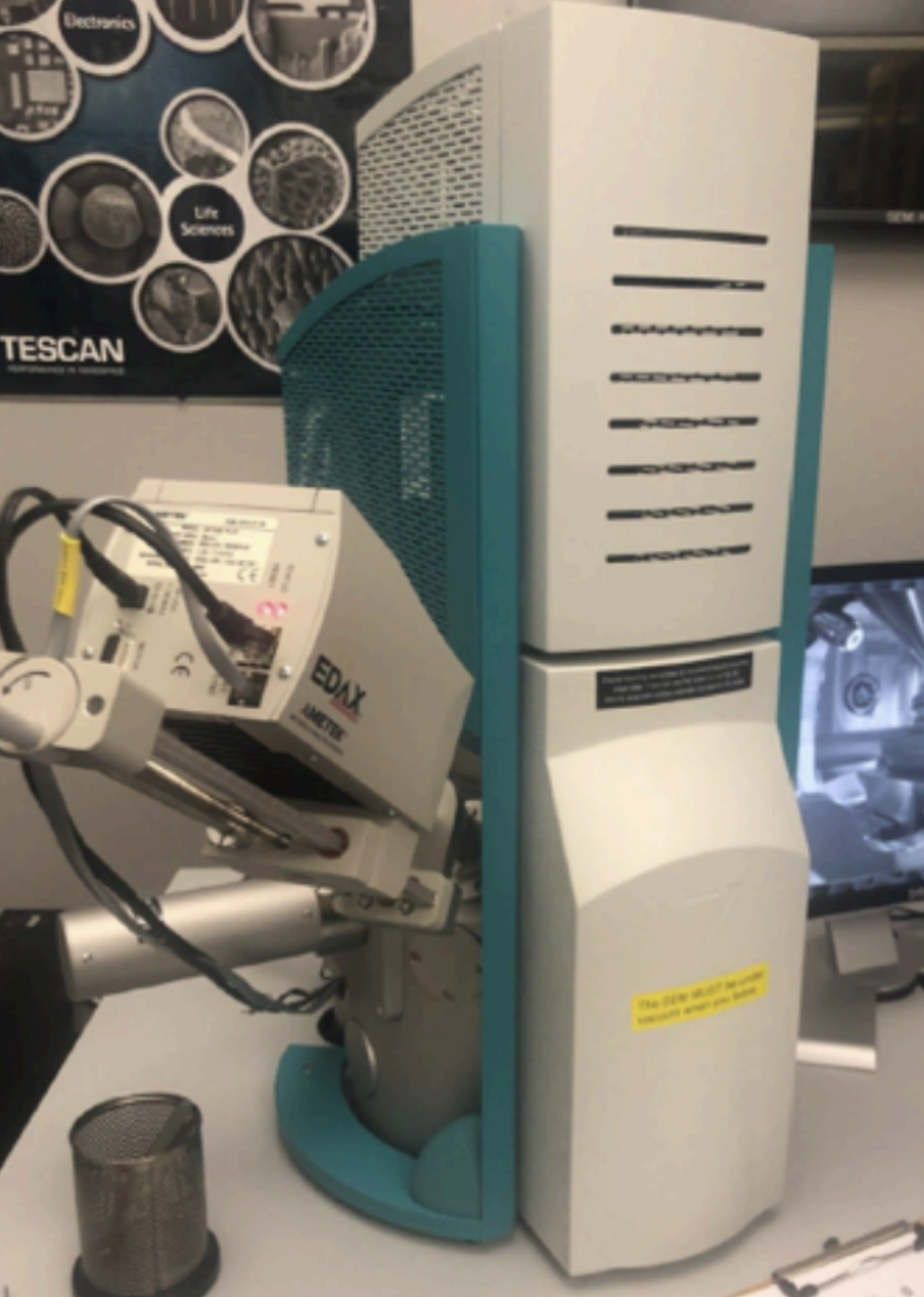
Microstructural Imaging: Utilized a Tescan Scanning Electron Microscope (SEM) and a Keyence 3D digital microscope to visually quantify microvoid formations, crazing patterns, and fracture surface topographies.
The Outcome: Quantifiable Strength Gains & Phase Transitions
The testing yielded actionable data on how to optimize FDM-printed thermoplastics for structural resilience, proving that targeted post-processing can fundamentally alter material performance.
Exponential Strength Increases: Samples subjected to the four-hour 100°C oven annealing process demonstrated a nearly 100% increase in fracture strength, absorbing an average of 5.7 Joules of impact energy compared to 2.9 Joules for untreated samples.
Layer Re-Melting: SEM imaging revealed that prolonged heat treatment softened the PLA, allowing adjacent printed layers to melt into one another, reducing the volume of internal air pockets and significantly increasing surface contact.
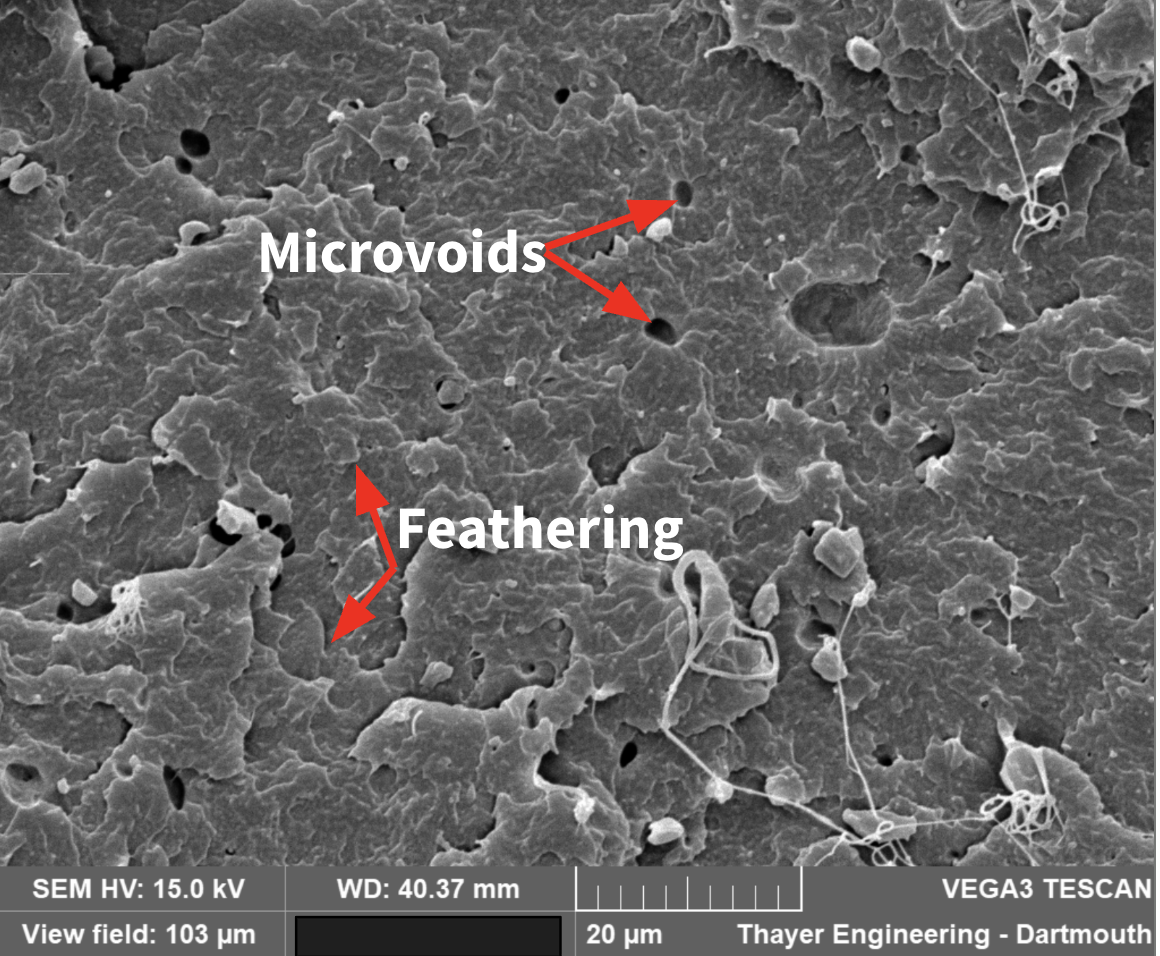
Ductile vs. Brittle Transitions: The data empirically validated the PLA glass transition temperature (55-65°C). Samples broken above this temperature exhibited ductile failure, characterized by distinct visual "feathering" and a high density of microvoids (up to 4200 microvoids/mm²).
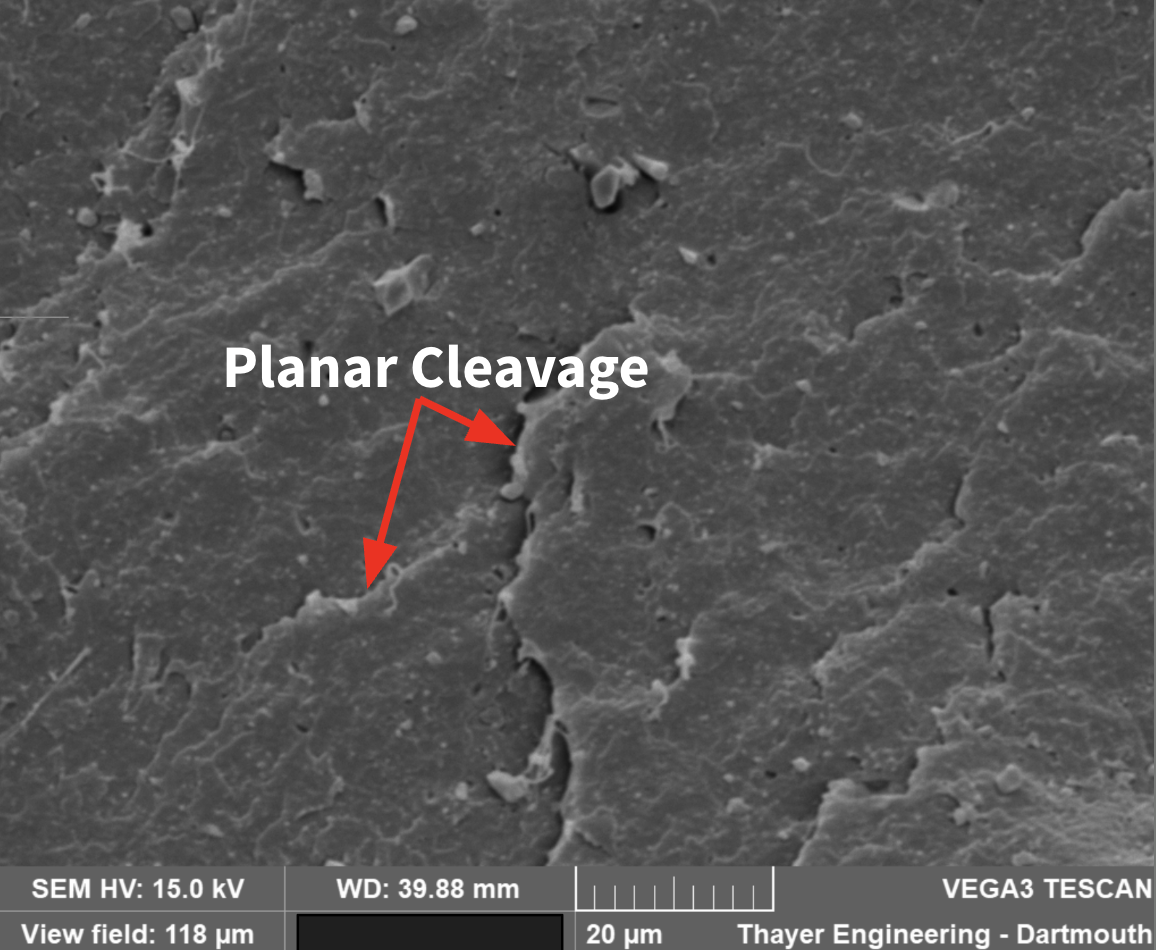
Cold Environment Brittleness: Conversely, samples tested at sub-zero temperatures (-196°C) displayed brittle failure with clean planar cleavage and a significantly reduced microvoid count (1800 microvoids/mm²).
Pressure Sensitivities: While the boiling water annealing process did yield a 25% strength increase, the environmental water pressure caused the parts to shrink by approximately 1 inch, proving that dry furnace annealing is the superior method for maintaining dimensional accuracy.